Nutrition
Low Iron in Women: The Tiredness Cause That's Often Missed
Why low iron is so common in women, how to spot the signs, how it's tested, and how to eat for better iron levels.

Quick answer
Could low iron be why I'm so tired all the time?
It could be. Iron deficiency is common in Australian women under 50, mainly because of periods, and tiredness is often the first sign. It can also cause irritability, poor concentration, hair loss and breathlessness. The only way to know is a blood test, so see your GP rather than guessing or starting iron supplements on your own.
Key takeaways
- Studies have found iron deficiency in 11 to 35% of Australian women under 50, compared with about 3% of women over 50.
- Low iron happens in stages, and tiredness can appear before you're anaemic, so a normal haemoglobin result doesn't always rule it out.
- Menstruating women, especially those with heavy periods, plus pregnant women, vegetarians, vegans, blood donors and women in heavy training are at higher risk.
- Women aged 19 to 50 need about 18 mg of iron a day, and iron from meat, chicken and fish is absorbed more easily than iron from plants.
- Don't take iron supplements without a blood test, because tiredness often has other causes and iron you don't need can cause harm.
Always tired. No motivation. Wanting to sleep all the time. If that sounds like you, one of the first questions worth asking is whether you’ve had your iron checked.
Low iron is one of the most common reasons women feel exhausted, and one of the most commonly missed. It’s easy to blame tiredness on a busy life, a young family or a big season at work. Sometimes that’s right. Sometimes it’s your iron.
How common is low iron in women?
More common than most women realise. An article for GPs in the Medical Journal of Australia’s InSight+ (2024) noted that studies have found iron deficiency in 11 to 35% of Australian women under 50, compared with about 3% of women over 50. It also noted that about 15% of non-pregnant women of reproductive age in Australia have anaemia, with iron deficiency as the main cause.
The big difference before and after 50 points to the most common reason: periods.
Why are women more likely to have low iron?
Mainly because of regular blood loss. Every period uses up some of your iron stores, and heavy periods use up more.
The Better Health Channel lists these groups as higher risk:
- menstruating women, especially with heavy periods
- pregnant and breastfeeding women
- vegetarians and vegans
- regular blood donors
- athletes in training
- people who take aspirin regularly
- people with coeliac disease or other chronic illness
If you tick more than one, your risk goes up.
What are the signs of low iron?
The tricky part is that the signs are vague. They look like stress, burnout or a busy life.
Common signs include:
- tiredness and lethargy that don’t lift with rest
- irritability and feeling unable to cope with everyday tasks
- poor concentration and brain fog
- hair loss
- breathlessness, dizziness or a racing heart with exercise
- pale skin
- low mood
The MJA InSight+ article lists tiredness, lethargy, fatigue, irritability, inability to cope with daily activities, hair loss and even depression as common features.
Can you be low in iron without being anaemic?
Yes. Iron deficiency happens in stages, and this is why it’s often missed.
Three stages of low iron
| Stage | What’s happening | Symptoms |
|---|---|---|
| Iron depletion | Your iron stores are low but haemoglobin is normal | Usually no obvious symptoms |
| Iron deficiency | Stores and blood iron are low and haemoglobin has dropped | Tiredness is common |
| Iron deficiency anaemia | Your blood can’t carry enough oxygen | Paleness, breathlessness, dizziness, fatigue |
A basic blood count looks at haemoglobin, which only drops in the later stages. If your GP orders iron studies, which include ferritin (your iron stores), you get a fuller picture. It’s worth asking which tests are being done and what your results mean, not just whether they were “normal”.
How is low iron diagnosed?
With a blood test, ordered by your GP. Don’t try to diagnose it yourself from symptoms, because so many other things cause the same feelings: thyroid problems, low vitamin D or B12, poor sleep, depression, perimenopause and burnout among them.
Your GP will also want to know why your iron is low. Heavy periods are the most common reason in women under 50, but your doctor may want to rule out other causes too, such as problems absorbing iron or blood loss from elsewhere.
Should you just take an iron supplement?
Not without a blood test. The Better Health Channel is clear about this: don’t self-diagnose or self-medicate. Tiredness often has other causes, and taking iron you don’t need can interfere with the absorption of other minerals. About 1 in 300 people have haemochromatosis, an inherited condition where the body absorbs too much iron, and extra iron can harm them.
If your test shows you need iron, your GP will advise you on what to take and for how long, and will usually recheck your levels. Side effects such as nausea, constipation and dark stools are common, so tell your doctor if they’re a problem. Keep iron supplements well out of reach of children, as an overdose can be very dangerous.
How much iron do women need from food?
According to the Better Health Channel, women aged 19 to 50 need about 18 mg of iron a day. That drops to 8 mg from age 51, after periods stop. Pregnant women need more.
Not all iron is absorbed equally.
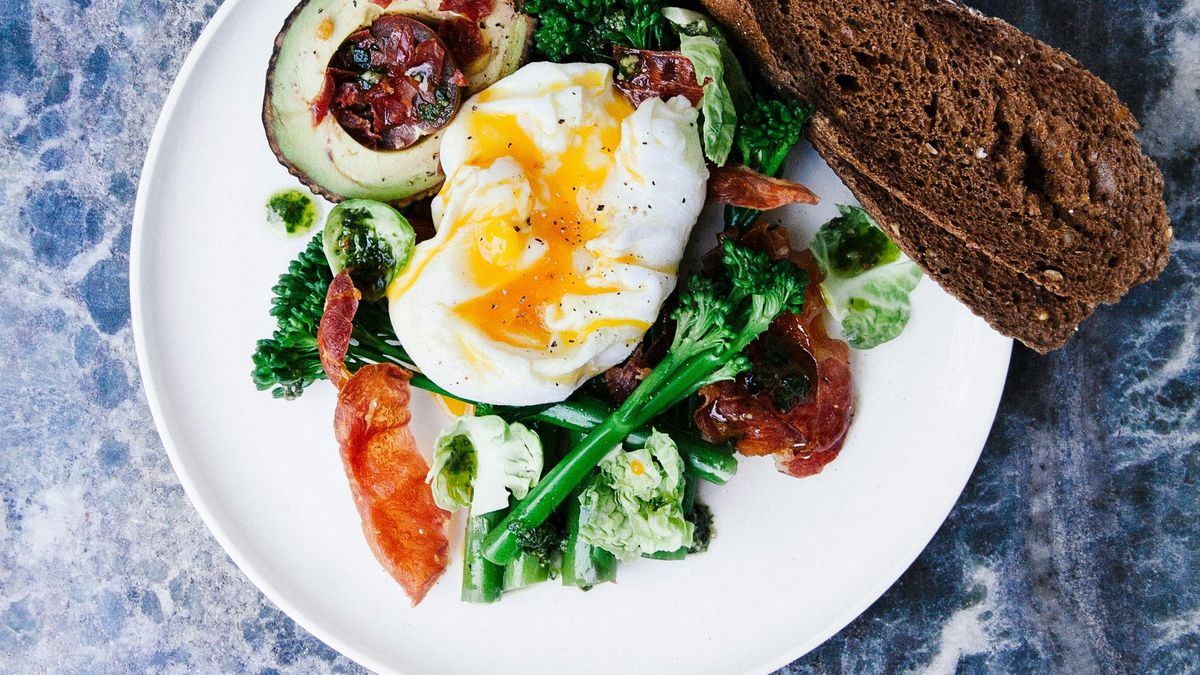
- Haem iron, from red meat, chicken and fish, is the most easily absorbed.
- Non-haem iron, from plant foods such as lentils, beans and fortified cereals, is harder to absorb. Vegetarians may need roughly twice as much iron as people who eat meat.
How can you absorb more iron from food?
A few simple pairings make a real difference.
Iron absorption cheat sheet
| Effect | Foods and habits |
|---|---|
| Helps absorption | Vitamin C foods with your meal (capsicum, citrus, berries, tomato), combining meat with plant iron, cooking vegetables |
| Reduces absorption | Tea, coffee and wine with meals, soy protein, bran and very high-fibre foods, calcium taken at the same time as plant iron |
In practice, that might look like:
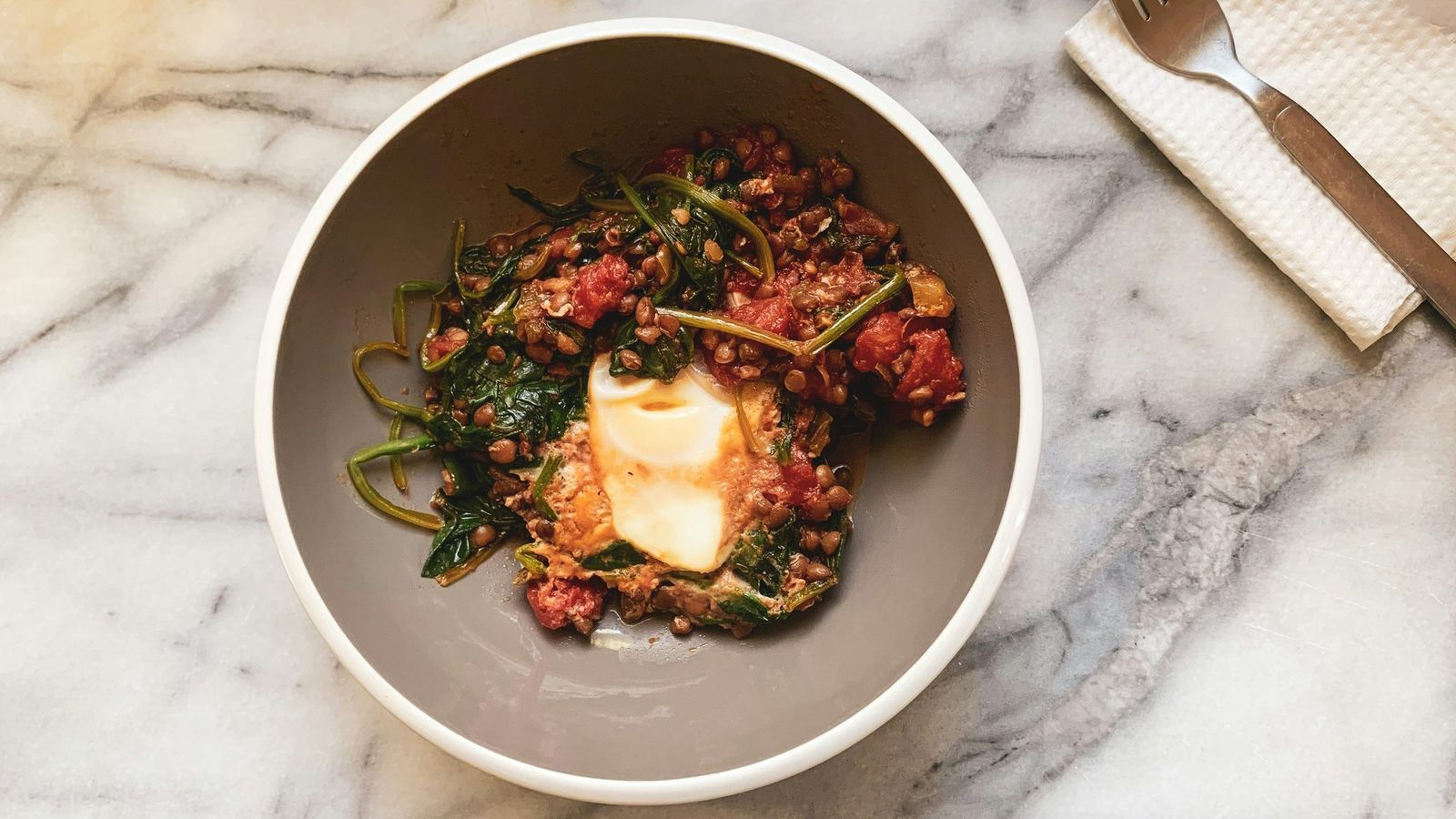
- lentil and beef bolognese with a side salad of tomato and capsicum
- a spinach and chickpea curry with a squeeze of lemon
- moving your coffee or tea to between meals instead of with them
If your days run on coffee and grab-and-go snacks, this is where food choices can genuinely help. Coffee with every meal and very little red meat, chicken or legumes is a common setup for low iron and constant tiredness.
What if you’re vegetarian or vegan?
You can absolutely get enough iron, but it takes more planning. Build meals around lentils, beans, chickpeas, tofu and fortified cereals, add a vitamin C food every time, and keep tea and coffee away from meals. Because plant iron is harder to absorb, regular blood tests are worth discussing with your GP.
What should you do next?
If you’re tired all the time, here’s a simple order of operations.
- Book a GP appointment and ask for a blood test that includes iron studies. Healthdirect suggests seeing a doctor if fatigue lasts more than two weeks and isn’t improving.
- Mention if your periods are heavy, if you’re vegetarian or vegan, if you donate blood or train hard.
- While you wait, build iron-rich meals and move tea and coffee away from mealtimes.
- If your results are normal and you’re still exhausted, keep looking. Sleep, stress, thyroid, perimenopause and burnout are all worth exploring.
Where does Hormone Magic fit in?
Hormone Magic doesn’t replace a blood test or your GP. What it does is help you build the everyday foundations that support your energy across your cycle, including how you eat. It’s built on my EDGE framework (Eat, Decide, Ground, Exercise) and includes eating plans for each half of your cycle and an AI meal planner, so iron-rich meals become part of a normal week rather than one more thing to remember.
Low iron is one of several things worth ruling out. Is it burnout or your hormones? covers the others.
Sources
This article is general information, not medical advice. Talk to your GP or another qualified health professional about your own health. Read the medical disclaimer.