Nutrition
How Much Protein Do Women Need? An Honest Guide for Busy Women
What Australian guidelines say about protein for women, when needs rise, and how to spread protein across a busy day without counting grams.

Quick answer
How much protein do I actually need as a woman, and am I getting enough?
Most adult women need around 0.75 g of protein per kilogram of body weight a day, or about 52 g for a 70 kg woman. Needs rise in pregnancy, breastfeeding and after 70. Most Australians already get enough in total, so the bigger win for busy women is spreading protein across meals, especially breakfast.
Key takeaways
- Australian guidelines suggest about 0.75 g of protein per kilogram of body weight a day for most adult women, rising to about 1 g per kilogram in pregnancy, breastfeeding and after 70.
- Jean Hailes reports that national survey data show most Australians get enough protein overall, so many women don't need to eat much more in total.
- Protein matters more in perimenopause and as we age, because we naturally lose muscle over time.
- Including a protein food at most meals and snacks is simpler and more sustainable than counting grams.
- Protein powders can be useful in some situations but aren't necessary for most healthy adults.
Protein is having a moment. Some people say women need far more than they’re eating. Others say almost everyone already gets plenty. No wonder women feel confused.
Here’s the honest version. Most adult women need around 0.75 g of protein per kilogram of body weight a day. Most Australians already reach that in total. But many busy women eat very little protein until dinner, and some life stages need more. So the question isn’t only “how much?” It’s also “when?”
How much protein do women need each day?
Australia’s Nutrient Reference Values, set by the National Health and Medical Research Council, recommend about 0.75 g of protein per kilogram of body weight a day for women aged 19 to 70. That works out to around 46 g a day for an average woman. Jean Hailes uses the same figure and gives a simple example: a 70 kg woman needs about 52 g a day.
Protein needs by life stage
| Life stage | Daily protein | Example |
|---|---|---|
| Most adult women (19 to 70) | About 0.75 g per kg of body weight a day | about 52 g at 70 kg |
| Pregnancy and breastfeeding | About 1 g per kg a day | about 70 g at 70 kg |
| Women over 70 | About 1 g per kg a day | about 70 g at 70 kg |
These are guides for healthy women. If you have a medical condition, are training very hard or have specific goals, a dietitian can tailor your needs.
Do most women get enough protein already?
Many do. Jean Hailes notes that, according to national nutrition survey data, the vast majority of people in Australia get enough protein from their food.
So if you eat a varied diet, you probably don’t need to dramatically increase your total protein. That’s worth hearing, because a lot of protein marketing is aimed at making women feel they’re falling short.
Where there’s often room for improvement is not the total. It’s the pattern.
Why does the timing of protein matter for busy women?
A common pattern for women running businesses and families looks like this:
- coffee for breakfast, or toast on the run
- a light lunch at the desk, or a skipped one
- snacks in the afternoon
- a decent dinner, which is where most of the day’s protein lands
Protein helps you feel full. Jean Hailes lists satiety among protein’s roles, along with building and repairing muscle, bone, immune function and hormone production. If your morning is coffee and a biscuit, you may find yourself hungry, scattered and reaching for sugar by mid-afternoon.
That’s why breakfast with some protein before your first coffee is a habit worth trying. It’s not a magic fix. It just means you’re not running the morning on caffeine alone.
Will more protein give you more energy?
Not directly, and it’s worth being honest about that. Protein isn’t a stimulant. What it can do is help you feel full for longer, which makes it easier to get through a morning without the mid-morning slump and snack spiral.
If you’re exhausted, protein alone is unlikely to be the answer. Sleep, stress, iron, thyroid and hormone changes are all more common culprits, and they’re worth checking with your GP. Think of protein as one of the foundations that helps everything else work better, not as a fix in its own right.
How can you get protein in on a really busy week?
A little planning on a Sunday saves a lot of scrambling midweek.
- Boil half a dozen eggs and keep them in the fridge.
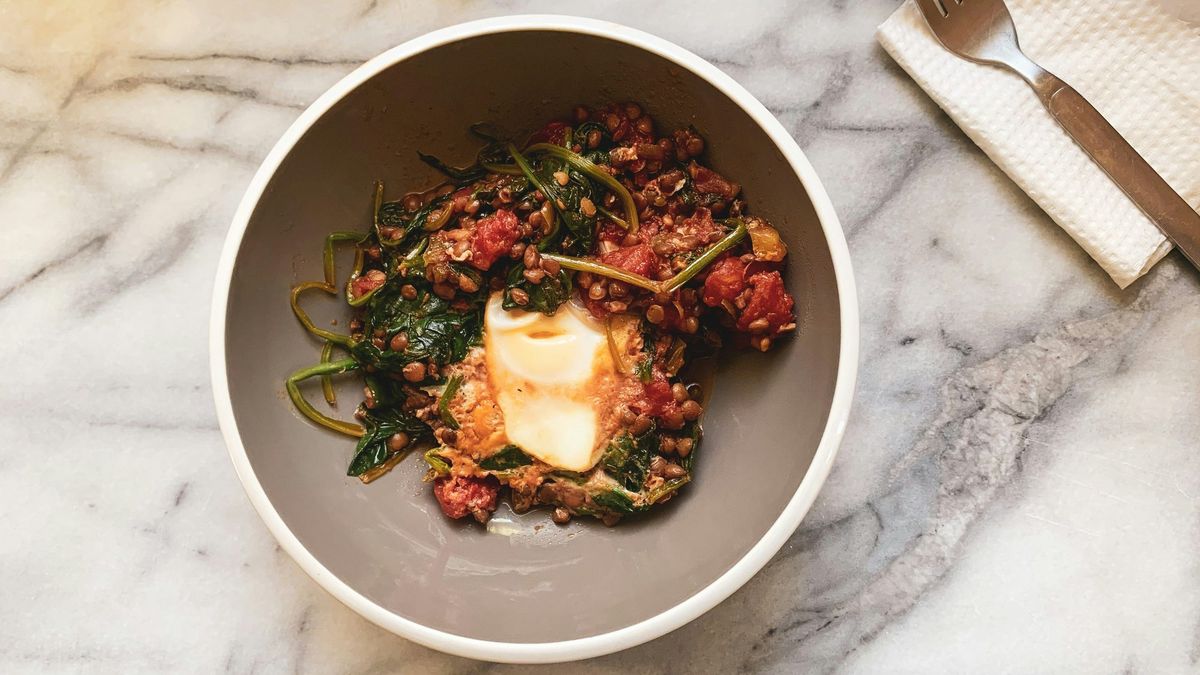
- Cook a big batch of something with lentils, beans or mince that works for lunches.
- Keep Greek yoghurt, cheese, tinned fish and nuts on hand for no-cook options.
- Roast a tray of chicken thighs or tofu to add to salads and wraps.
None of this needs to be perfect. Two or three of these in the fridge is enough to stop breakfast being coffee and lunch being nothing.
When do women need more protein?
Jean Hailes highlights a few life stages when protein becomes more important.
- Pregnancy and breastfeeding, when needs rise to about 1 g per kilogram.
- Perimenopause, when changing hormones and ageing both affect muscle.
- Older age. We naturally lose muscle with age, and needs rise after 70.
If you’re in your 40s or 50s, making sure you include protein at most meals, along with regular strength-based exercise, is a sensible habit for long-term strength.
What are easy ways to include protein at every meal?
Jean Hailes suggests thinking about including a source of protein at most meals and snacks, rather than counting grams. Here’s what that can look like.
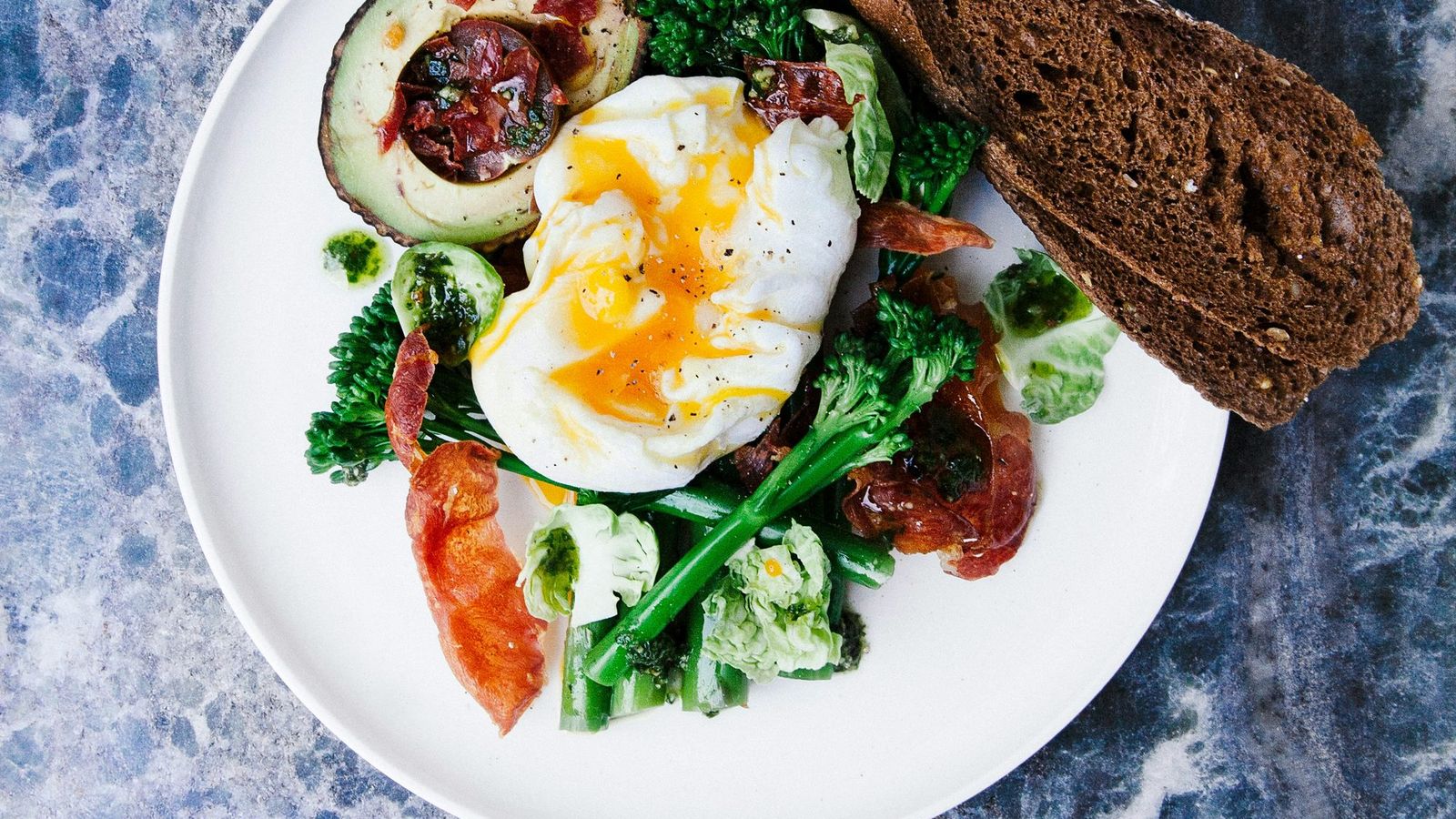
Protein at every meal (ideas) Breakfast | Two eggs on wholegrain toast; Greek yoghurt with fruit and nuts; leftovers from last night’s dinner Lunch | A tuna, chicken or tofu salad; a lentil soup; a wrap with leftover roast meat Snacks | A handful of nuts; cheese and crackers; edamame; yoghurt Dinner | Fish, lean meat, tofu or lentils with vegetables and a grain
What about plant-based protein?
You can absolutely meet your needs on a vegetarian or vegan diet. Good plant sources include tofu, tempeh, edamame, lentils, chickpeas, kidney beans, baked beans, split peas, soy milk, nuts and seeds. Dried beans, lentils and chickpeas are among the most affordable proteins you can buy.
If you’re vegetarian or vegan and unsure if you’re getting enough, Jean Hailes suggests seeing a dietitian. Plant-based eaters may also want to keep an eye on iron, which is harder to absorb from plant foods.
Do you need protein powder?
Usually not. Jean Hailes says protein powders and supplements may be useful in some situations, such as when recommended by a health professional, but they’re not necessary for most healthy adults.
If you like a smoothie with protein powder, that’s fine. Just know that eggs, yoghurt, leftovers and a handful of nuts do the same job and usually cost less.
How do you know if you’re not getting enough protein?
Jean Hailes lists a few signs that might suggest your intake is low: feeling hungry soon after meals, slower recovery after exercise, or noticing muscle loss as you age. It also points out these signs don’t automatically mean you need more protein, because other things can cause them too.
If you’re unsure, a simple food diary for a few days is a good start. If you have a medical condition, are pregnant or are trying to change your diet significantly, a dietitian or your GP can help.
How does Hormone Magic help?
In my EDGE framework (Eat, Decide, Ground, Exercise), protein sits under Eat. Hormone Magic, my 100-day, self-paced program, includes eating plans for each half of your cycle and an AI meal planner that builds meals around foods you actually like. The goal isn’t counting grams. It’s knowing what your body needs so you can feed it without overthinking every meal.
“thank you Dee for finally showing me a way to easily feel good and not feel too restricted.”
Protein at breakfast is one of the five starting points in is it burnout or your hormones?
Sources
This article is general information, not medical advice. Talk to your GP or another qualified health professional about your own health. Read the medical disclaimer.